 GrailVinyl
Questlove's 100
The 100 albums Questlove calls 'the literal soundtrack of my life' — records he's spun 100+ times, spanning soul, hip-hop, jazz, funk, and rock from Stevie Wonder to J Dilla. Source: Questlove, via Okayplayer (2019).
The eBay and Amazon links are affiliate links — we may earn a commission on qualifying purchases, at no cost to you. eBay tends to have original/used pressings; Amazon, new & reissues.




 Wu-Tang ClanEnter the Wu-Tang (36 Chambers)Wu-Tang Clan's 1993 debut — a raw, cinematic hip-hop landmark built from cinematic samples, street poetry, and a revolutionary collective ethos that redefined underground rap.eBayAmazonApple Music

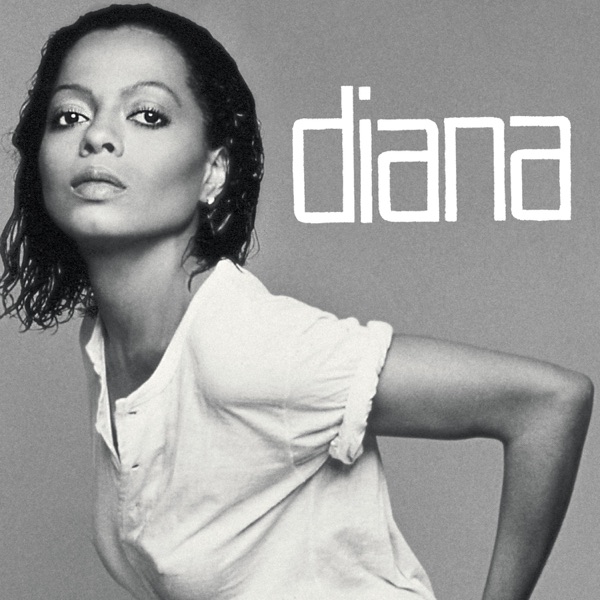 Diana RossDianaDiana Ross's 1980 solo comeback — a bold fusion of disco, soul, and pop, marking her transition from The Supremes to a global superstar.eBayAmazonApple Music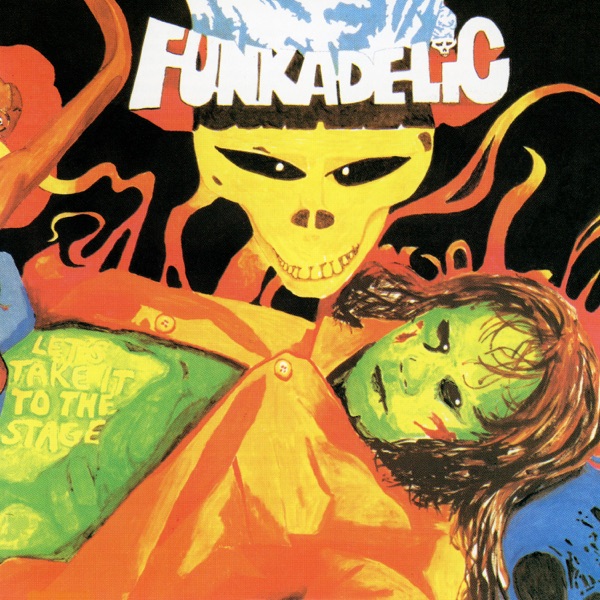


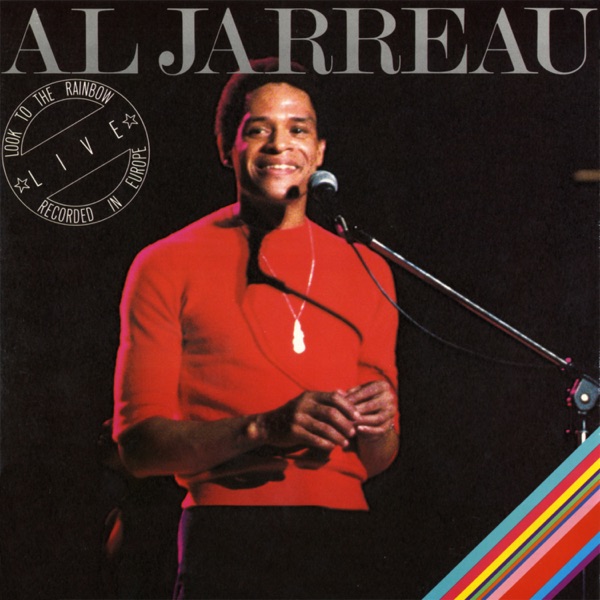 Al JarreauLook to the RainbowAl Jarreau's 1977 jazz-vocal breakthrough — a lush, soulful fusion of jazz, funk, and pop, showcasing his extraordinary vocal range and phrasing.eBayAmazonApple Music

- Rick JamesStreet SongsRick James' 1981 funk masterpiece — a raw, defiant statement of Black identity and sexual power, it remains a defining record of the era’s hedonistic, politically charged soul.eBayAmazonApple Music
- T
 Sting...Nothing Like the Sun...Nothing Like The Sun is Sting's 1987 rock album, released on A&M Records in the UK and Europe.eBayAmazonApple Music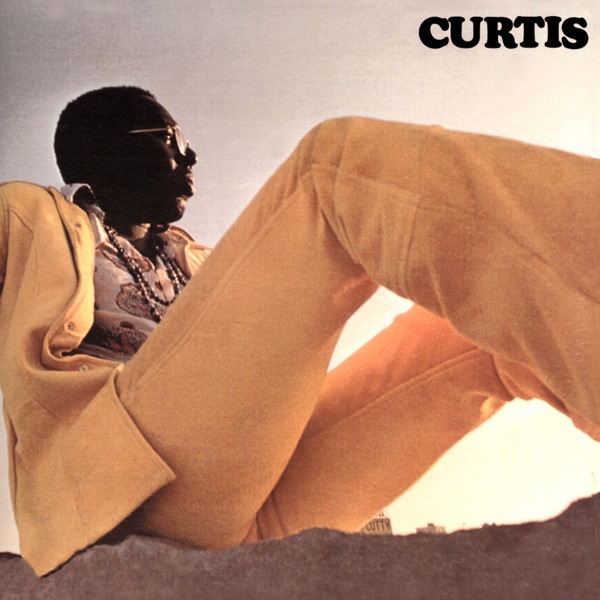
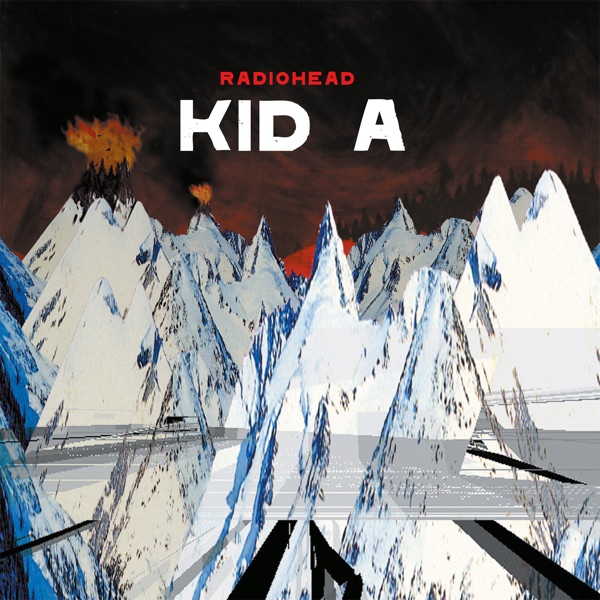 RadioheadKid ARadiohead's 2000 avant-garde pivot — a genre-defying fusion of electronic textures and rock, it redefined modern album artistry and became a landmark of 21st-century experimental music.eBayAmazonApple Music
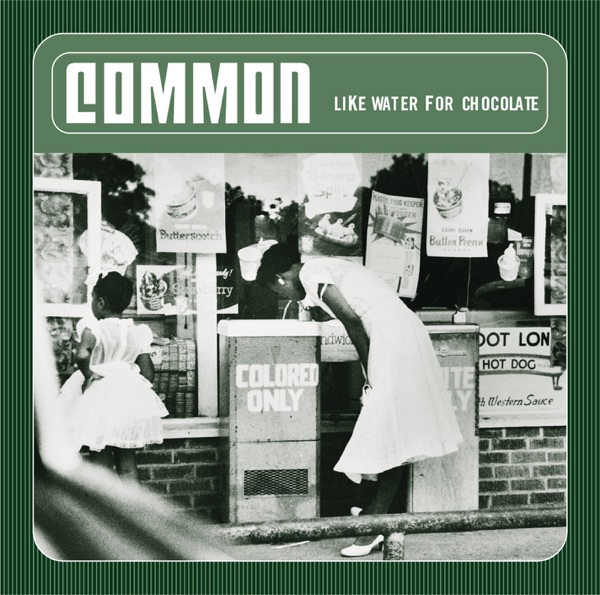
 The AvalanchesSince I Left YouThe Avalanches' 2000 debut — a groundbreaking collage of samples from 1950s–80s pop, jazz, and soul, it redefined electronic music and became a cult classic.eBayAmazonApple Music
- SadeStronger Than PrideSade's 1988 sophomore triumph — a sleek fusion of jazz, soul, and pop, it cemented her status as a global voice of cool and emotional restraint.eBayAmazonApple Music

 The BeatlesRevolverThe Beatles' 1966 avant-garde masterpiece — a radical leap in studio experimentation, featuring innovative production, tape loops, and Eastern instrumentation, marking a turning point in rock's artistic evolution.eBayAmazonApple Music
 Tears for FearsThe Seeds of LoveThe Seeds of Love is Tears for Fears' 1989 rock and pop rock album, released in the UK on Fontana.eBayAmazonApple Music
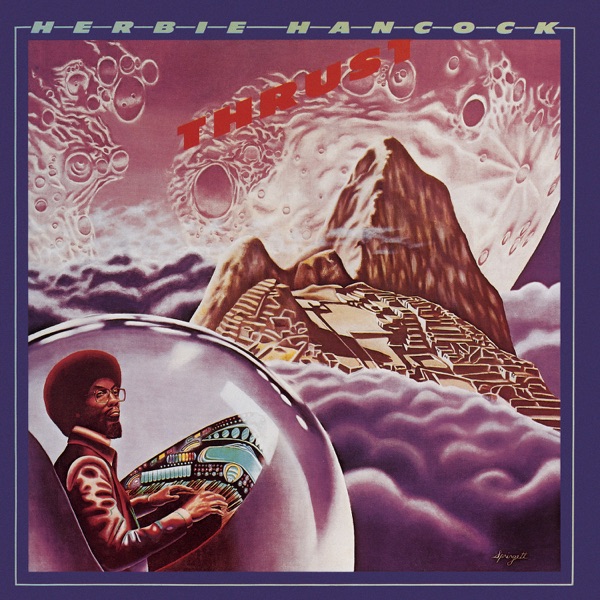 Herbie HancockThrustHerbie Hancock's 1974 fusion landmark — a groundbreaking blend of jazz, funk, and electronic innovation, it defined the sound of modern jazz-funk and remains a cornerstone of the genre.eBayAmazonApple Music
 The PoliceReggatta de BlancThe Police's 1979 debut — a raw, reggae-tinged rock masterpiece that launched their global fame, blending urgency, rhythm, and lyrical tension.eBayAmazonApple Music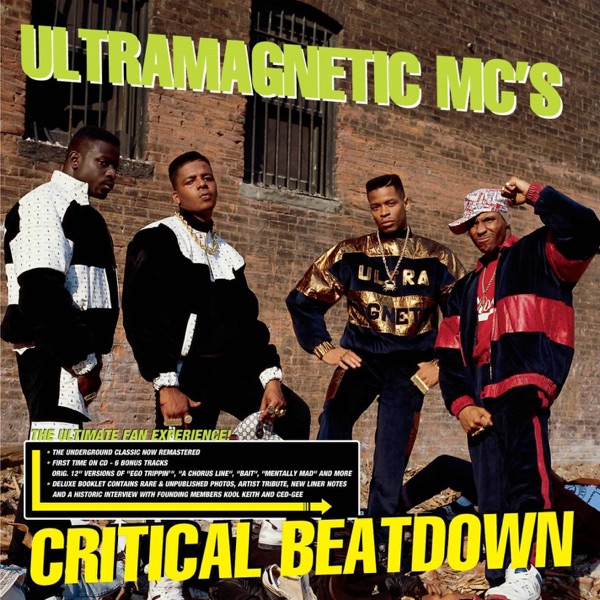

- Joni MitchellThe Hissing of Summer LawnsThe Hissing of Summer Lawns is Joni Mitchell's 1975 album, released on Asylum Records in the US, blending jazz, rock, and folk elements within a contemporary jazz and acoustic fusion style.eBayAmazonApple Music
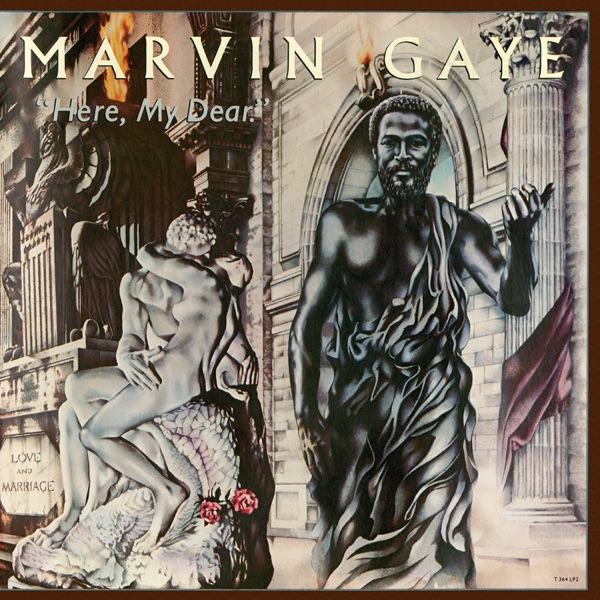 Marvin GayeHere, My DearMarvin Gaye's 1978 emotional epic — a raw, double-LP divorce album recorded in his own studio, blending soul, jazz, and introspective storytelling with unmatched vulnerability.eBayAmazonApple Music
 Amy WinehouseBack to BlackA stark, emotionally raw soul album rooted in British R&B and 1960s girl group influences, released in 2006 and defined by Winehouse’s distinctive vocal phrasing and lyrical honesty.eBayAmazonApple Music
- Earth, Wind & FireAll 'n AllEarth, Wind & Fire's 1977 funk masterpiece — a lush, orchestral fusion of soul, jazz, and disco, driven by Maurice White's visionary production and Philip Bailey's soaring vocals.eBayAmazonApple Music
- John ColtraneColtrane Plays the BluesJohn Coltrane's 1962 album Coltrane Plays The Blues is a jazz record in the hard bop and modal styles, released in the US on Atlantic Records.eBayAmazonApple Music
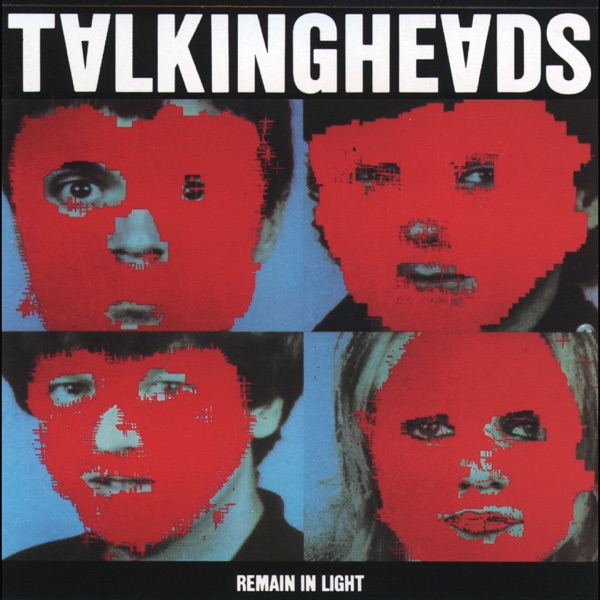 Talking HeadsRemain in LightA pivotal 1980 fusion of rock, African rhythms, and electronic experimentation that redefined new wave's sonic boundaries.eBayAmazonApple Music
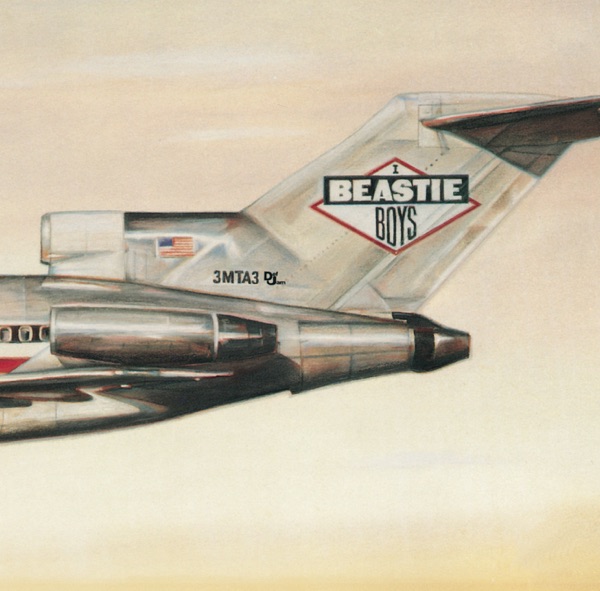 Beastie BoysLicensed to IllThe Beastie Boys' 1986 debut — a groundbreaking fusion of hip-hop and rock that helped define the genre's early commercial identity and remains a cultural touchstone.eBayAmazonApple Music
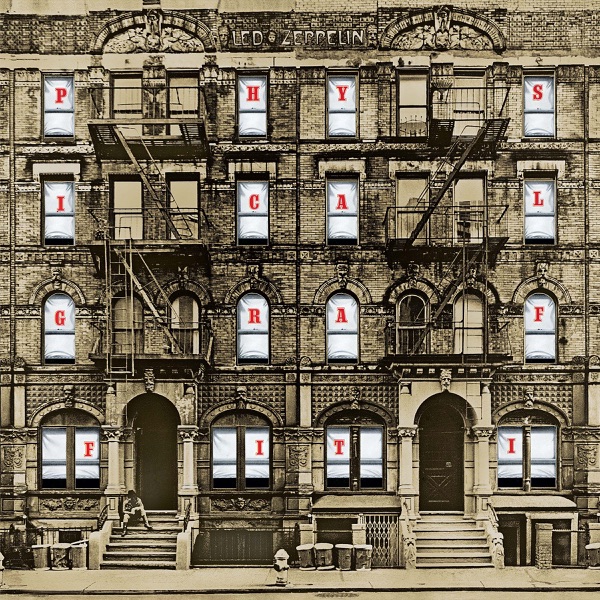 Led ZeppelinPhysical GraffitiLed Zeppelin's 1975 double LP — a landmark of hard rock and blues rock, blending studio mastery with raw energy, and a defining artifact of the band's peak era.eBayAmazonApple Music
- S
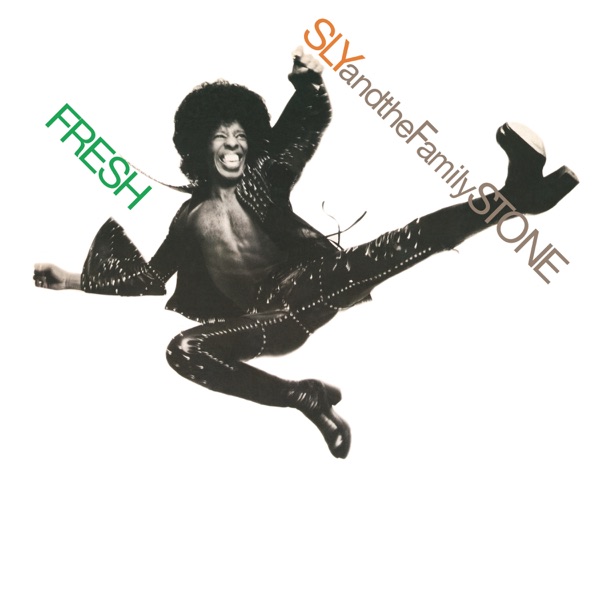 Sly & The Family StoneFreshSly & The Family Stone's 1973 funk-soul landmark — a genre-defining fusion of rock, soul, and psychedelia, celebrated for its bold innovation and social commentary.eBayAmazonApple Music
 Stevie WonderTalking BookStevie Wonder's 1972 landmark — a genre-defining fusion of soul, funk, and jazz, featuring 'Superstition' and 'You Are the Sunshine of My Life'.eBayAmazonApple Music
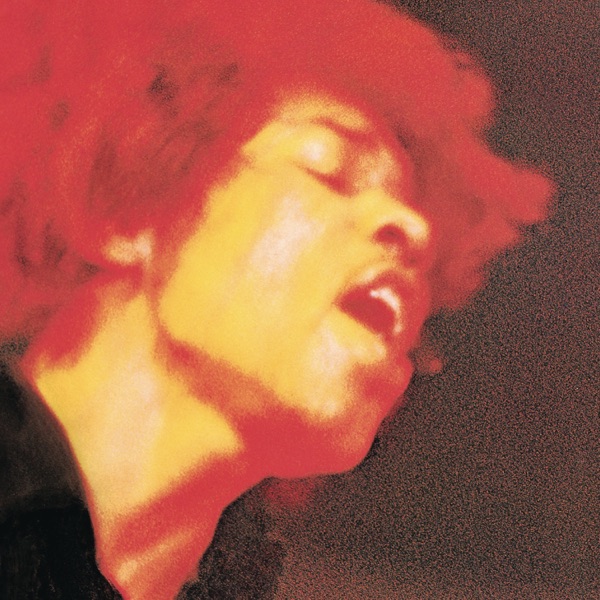 The Jimi Hendrix ExperienceElectric LadylandElectric Ladyland is where Hendrix stopped playing guitar and started conjuring it—every track a spell, every note a suggestion.eBayAmazonApple Music
 The BeatlesSgt. Pepper's Lonely Hearts Club BandThe Beatles' 1967 landmark — a concept album that redefined rock's artistic potential, blending studio innovation with psychedelic pop and orchestral flair.eBayAmazonApple Music
 Stevie WonderSongs in the Key of LifeStevie Wonder's 1976 magnum opus — a genre-defining fusion of soul, jazz, and pop, born from personal transformation and artistic mastery, it remains one of the most celebrated albums of the 20th century.eBayAmazonApple Music
- Miles DavisOn the CornerMiles Davis' 1972 fusion landmark — a radical shift toward electric jazz-funk, blending funk rhythms, studio effects, and avant-garde experimentation, it remains a pivotal, controversial, and influential work.eBayAmazonApple Music
 John ColtraneA Love SupremeA deeply spiritual and structurally ambitious work from 1965, A Love Supreme stands as a landmark in post-bop and modal jazz, defined by Coltrane’s intense improvisational focus and profound thematic cohesion.eBayAmazonApple Music
 The Beach BoysPet SoundsThe Beach Boys' 1966 masterpiece — a groundbreaking fusion of pop, orchestration, and emotional depth, widely regarded as one of the most influential albums in rock history.eBayAmazonApple Music
- Janet JacksonControlJanet Jackson's 1986 breakthrough album, released on A&M Records, marked her definitive move toward creative control, blending crisp electronic production with funk and soul to define the sound of mid-80s pop and R&B.eBayAmazonApple Music
 Ice CubeAmeriKKKa's Most WantedIce Cube's 1990 political rap manifesto — a raw, unflinching critique of systemic racism and police brutality, it remains a defining album of the West Coast hip-hop era.eBayAmazonApple Music
- Beastie BoysPaul's BoutiquePaul's Boutique is the Beastie Boys' 1989 hip hop album, released in the US on Beastie Boys Records.eBayAmazonApple Music
- The PoliceSynchronicityThe Police's 1983 final album — a synth-driven fusion of new wave and rock, it features hits like 'Every Breath You Take' and 'King of Pain', and remains a defining record of the 1980s.eBayAmazonApple Music
- Miles DavisNefertitiMiles Davis' 1968 modal jazz masterpiece — recorded in New York's famed 'Church' studio, it features a tight, lyrical quintet and remains a cornerstone of post-bop innovation.eBayAmazonApple Music
 Marvin GayeWhat's Going OnMarvin Gaye's 1971 concept album — a soulful protest against war, poverty, and injustice, it remains one of the most influential records in R&B and popular music.eBayAmazonApple Music

- Sly & The Family StoneThere's a Riot Goin' OnThere's A Riot Goin' On is Sly & The Family Stone's 1971 funk and soul album, released in the US on Epic Records.eBayAmazonApple Music
- Michael JacksonThrillerMichael Jackson's 1982 album Thriller blends funk, soul, and pop with meticulous production, marking a definitive moment in modern music.eBayAmazonApple Music
 Stevie WonderMusic of My MindStevie Wonder's 1972 breakthrough — a genre-defining fusion of soul, jazz, and innovation, marking his full artistic maturity and first major commercial success.eBayAmazonApple Music
 Prince1999Prince's 1982 synth-funk landmark — a futuristic, politically charged pop masterpiece that defined the Minneapolis Sound and launched his global fame.eBayAmazonApple Music
 D'AngeloVoodooD'Angelo's 2000 neo-soul masterpiece — a lush, genre-defying fusion of funk, soul, and jazz, born from a deep personal and artistic rebirth.eBayAmazonApple Music
 De La SoulDe La Soul Is DeadDe La Soul's 1991 conceptual follow-up to their debut — a sharp, self-aware critique of hip-hop's commercialization, blending satire, jazz samples, and lyrical depth.eBayAmazonApple Music
 Michael JacksonOff the WallOff The Wall is Michael Jackson's 1979 album, released in the US on Epic Records, blending funk, soul, pop, disco, boogie, and ballad styles.eBayAmazonApple Music
- S

GrailVinyl is on the App Store — scan the dead-wax and know which pressing to buy, not just the album. See how it works →
More lists
- Dynamic Masters
- Worth the Hunt
- Fake Vinyl
- Hidden Pressings
- Blue-Chip Grails
- First Press Gold
- Audiophile Essentials
- Pitchfork Essentials
- Jazz Cornerstones
- Hip-Hop Foundations
- Metal Monuments
- National Recording Registry
- Rolling Stone 500
- Best Modern Reissues on Vinyl
- Dynamic Range Champions
- Kurt Cobain's Top 50
- David Bowie's 25 Favourites
- Henry Rollins' 20 Punk Albums